


Every day, we wake up wondering which Palestinian village will be attacked next. We are exhausted. We are afraid. This has gone far beyond isolated incidents—it has become a relentless reality. Hardly a day passes without one or more attacks by armed settlers on Palestinian communities, often in places where families are simply trying to live, farm, and raise their children.
They burn homes, cars, and farms. They uproot trees. They steal sheep. They terrorise and kill.
Yesterday, four more Palestinians were killed. These are civilian villages. These are civilian lands. Fear has become our daily companion.
Here’s the reality that so many people outside this land do not understand. Palestinians cannot defend themselves. If they try, they risk being shot. We saw this again yesterday. Armed settlers arrived alongside soldiers. They came with weapons, with protection, and with what feels like complete impunity. Instead of protecting Palestinian communities, we hear language of retaliation and revenge after Israeli lives were also lost in yesterday’s violence.
Yesterday, villages across the West Bank were effectively under siege. Checkpoints were closed. Roads were blocked. People could not leave or return home. And this is not an exception. Just a few days ago, a Palestinian woman died after being delayed at a checkpoint while trying to reach a hospital. Her family pleaded for her to be allowed through, but she did not make it in time.
I thought about sharing statistics today—how many Palestinians have been killed, how many children have died, how many attacks have taken place. But I’m tired of repeating numbers. We are not numbers. We are not headlines. We do not want to be headlines.
These are mothers and fathers, children and grandparents. These are names. These are stories. These are families whose lives are forever changed.
So I find myself asking: When will enough be enough? How long can an entire people be expected to live in fear? How long can communities remain defenceless while violence continues with so little accountability? Except for those who dare to defend their land, their homes, and their trees—the army is quick to hold them accountable. What is the end goal? What future is being imagined here?
Today, it feels as though we have exhausted every political solution that has been offered. The world issues statements, but the violence continues. Many of us feel abandoned, with no one willing or able to protect us.
And so today, I want to ask you to pray. Pray not as a substitute for justice, but because we believe God hears the cries of the oppressed. Pray for protection over our communities. Pray for courage for those who are afraid. Pray that hearts will change, that those with power will act, and that justice will prevail. As Palestinians, we often feel that no one is standing between us and this violence. But we refuse to believe that God has abandoned us. So today, in our grief, in our fear, and even in our desperation, let us pray.
Friends, so much has already been said about the illegality of all of this. International law has spoken. Human rights organisations have spoken. Even governments have spoken. But today I want to speak about something even deeper: the immorality of it all.
This is not a series of isolated incidents. It is part of a system. The goal is becoming painfully clear: to make life so unbearable that Palestinians leave—to uproot us from our land, our villages, our homes, and our history.
The question we must ask is not only, “How is this happening?” but, “How has this been allowed to happen?” The answer begins with impunity. Israel has been allowed to act as though it is above the law. But we must go deeper still. What sustains that impunity? What political interests? What military support? What financial backing? What ideology? And yes, what theology has been used to justify or excuse what should never be justified?
As people of faith, we cannot remain silent. Our faith demands more of us. Prayer is not an escape from responsibility; it is what gives us the courage to act.
So yes, I ask you to pray. Pray earnestly. Pray persistently. But don’t stop there. Speak. Write. Call your elected representatives. Challenge your churches. Urge your governments to act. Refuse to become accustomed to injustice. Refuse to look away.
Perhaps, by God’s grace, if enough people find the courage to raise their voices, we can help bring an end to this suffering. We owe that to every family living in fear today.
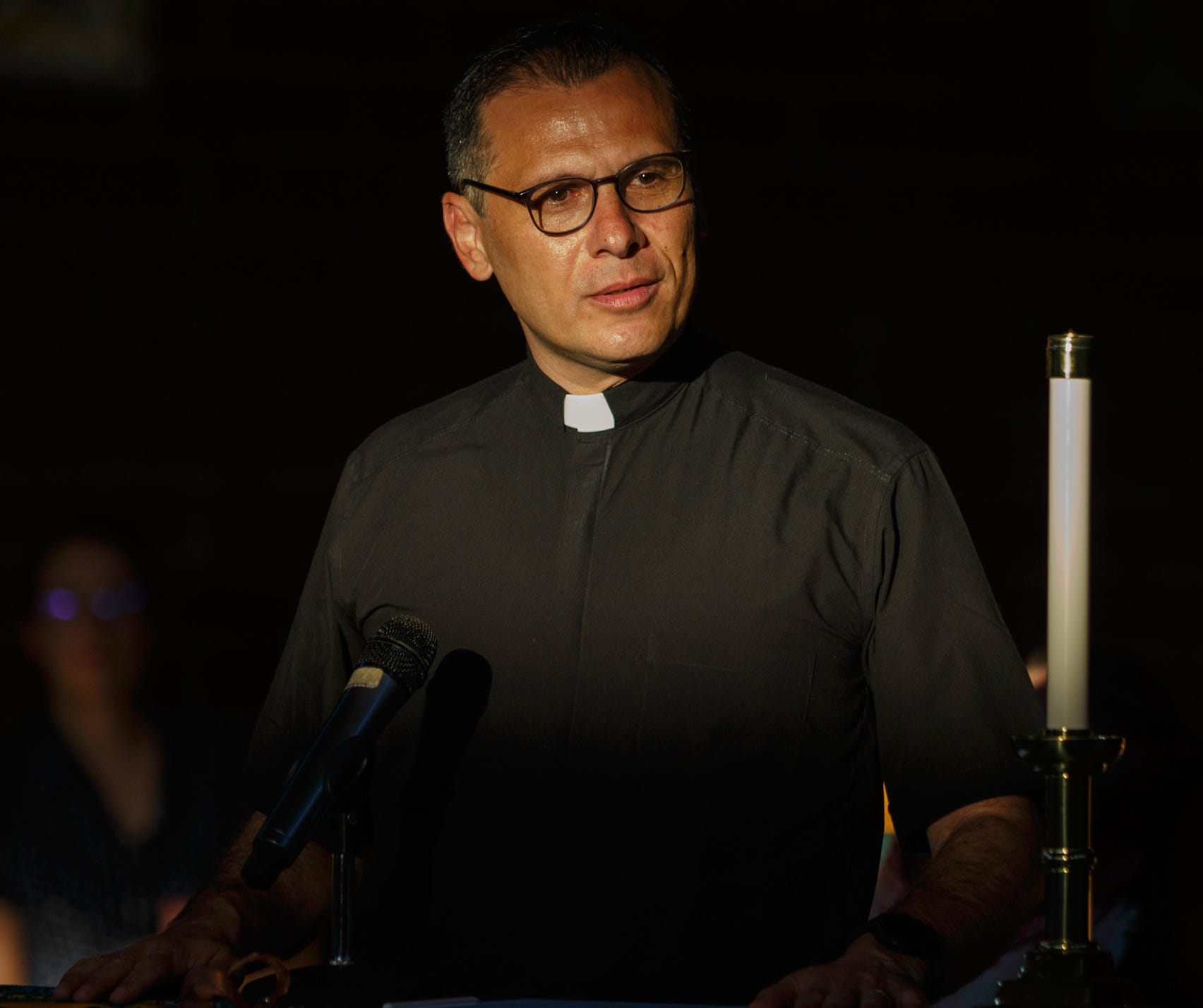
Rev. Dr. Munther Isaac is Director of the Bethlehem of Institute for Peace and Justice


