

A few weeks ago, a close friend asked me a simple question that has stayed with me. She is a white American who grew up in an evangelical household and has spent nearly a decade questioning what she was taught, educating herself, listening to Palestinians, and becoming increasingly vocal about Palestine. She asked me: Am I creating noise or taking the spotlight away from Palestinians? How do I amplify your voices without unintentionally making myself part of the story?
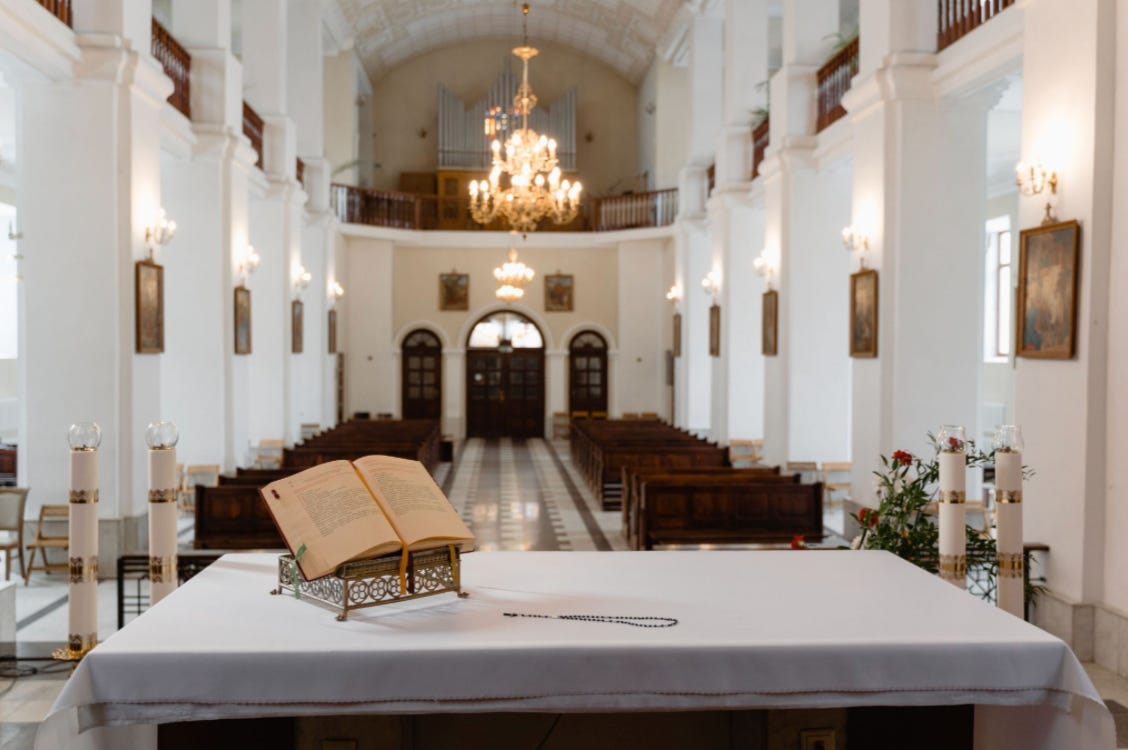
Photo by MART PRODUCTION / Pexels
Her question was personal, but it was not unique. As more people in the West publicly question what they were taught about Palestine, similar questions are being raised by Palestinians and allies alike: Who should be speaking? When does amplification become self-centering? And what does meaningful solidarity actually look like?
I understood why she was asking. There is something uncomfortable about watching outsiders gain attention and platforms for saying what Palestinians have been saying, writing, documenting, and even screaming about our own lives for decades. I have felt this myself in advocacy spaces, where an argument I made was met with hesitation until a Jewish Israeli affirmed the same point. Nothing about the argument changed; only the person affirming it did. We see this more broadly when Palestinian language and testimony, long dismissed as biased or exaggerated, gain legitimacy when echoed by an Israeli or international human rights organization, an academic, or a public figure. There is an injustice in that, and acknowledging the value of allies should never require pretending otherwise.
Yet I have also spent years wishing more people would speak up. If my friend has access to spaces where I may be dismissed precisely because I am Palestinian, would it make sense for her to become quieter, or to think more carefully about what she does with the attention she receives? There is a difference between building a platform from Palestinian suffering and using the platform you have to make Palestinian voices harder to ignore.
So I started reading. I wanted to understand what it takes psychologically and socially to question beliefs tied to family, faith, community, and belonging, and why people who make that journey can sometimes reach audiences unwilling to hear the same truths from Palestinians themselves.
When Credibility Depends on Who is Speaking
One concept gave a name to something I had experienced without knowing there was language for it: testimonial injustice. Associated particularly with philosopher Miranda Fricker, it describes a credibility deficit in which prejudice connected to someone’s identity affects how seriously their testimony is received. It made me think about the strange dynamic in which being Palestinian can sometimes be treated as a reason to trust us less when we speak about Palestine. Our proximity is interpreted as bias, while someone else’s distance can be mistaken for objectivity.
A Palestinian can describe what happened to her family and have it received as a “narrative,” while an outsider confirming the same history may be treated as providing evidence. Naming this matters because otherwise we risk romanticizing the role of the ally and celebrating people for conclusions Palestinians were ignored or dismissed for expressing first. If an American, an Israeli, a celebrity, or a respected international organization is taken more seriously, that does not make their analysis better. It tells us something about how credibility and power are distributed.
What does it take to question the world that formed you?
The second idea that interested me was cognitive dissonance, the tension that arises when new information conflicts with beliefs we already hold. This becomes particularly powerful when those beliefs are tied not simply to politics, but to family, faith, community, and belonging. Questioning what you were taught about Palestine and Israel may mean reconsidering interpretations of Scripture, challenging people you trust, or accepting that a community that shaped you in meaningful ways may also have taught you something profoundly incomplete. For Christians, that tension can be especially difficult when those beliefs were presented not simply as political convictions, but as matters of biblical faithfulness. Reconsidering them can feel like questioning faith itself, when it may actually be an invitation to examine more carefully what faithfulness requires. For my friend, and for many others undergoing this kind of unlearning, change does not come from one compelling argument, but through years of reading, listening, questioning, and being willing to reconsider what once seemed certain.
That process does not make their conclusions more valuable than the testimony of Palestinians living the reality they have come to understand. But it may give them a particular ability to speak within the communities that formed them. Someone who has questioned Christian Zionism from within may recognize its theology, fears, loyalties, and assumptions because some were once their own. Shared identity does not automatically make someone persuasive, but trust, relationships, and perceptions of the messenger can shape how a message is received. There is a difference between hearing, “Everything you believe is wrong,” and hearing, “I understand why you believe this because I once did too, and this is what made me reconsider it.” Recognizing that possibility does not make the credibility imbalance fair.
So what should an ally do?
This brings me back not only to my friend’s question, but to the larger one behind it. Solidarity can become another form of self-centering, where Palestine becomes content and the ally’s awakening becomes more visible than the people whose suffering prompted it. But silence is not the answer either. Those who have questioned Christian Zionism or other deeply rooted assumptions may be able to challenge them within spaces Palestinians struggle to reach. The responsibility is not to interpret our experience for us, but to use that access to make Palestinian voices harder to ignore. There is something distinctly Christian in this too. Repentance is more than recognizing that we were wrong; it is a turning that changes how we live and whom we are willing to hear. Christian witness should ask something of us when our voice carries more authority than someone else’s: not to enjoy that authority, but to consider how faithfully we can use it in service of truth and of people whose voices have too often been pushed aside.
If people come because they trust you, let them leave knowing us.
For allies, the work is not to speak for Palestinians or become interpreters of an experience that is not yours. Speak from where you stand: challenge what you once believed, especially in the families, churches, and communities that will hear it differently coming from you. But keep the spotlight moving. Share Palestinian books and theology, journalists and artists, organizations and social media; bring Palestinian voices into rooms you already have access to and help build their platforms, not just your own. If people listen to you more readily than they listen to us, that remains an injustice, but it is also something you can choose how to use. Let your voice be a bridge, not the destination. If people come because they trust you, let them leave knowing us.
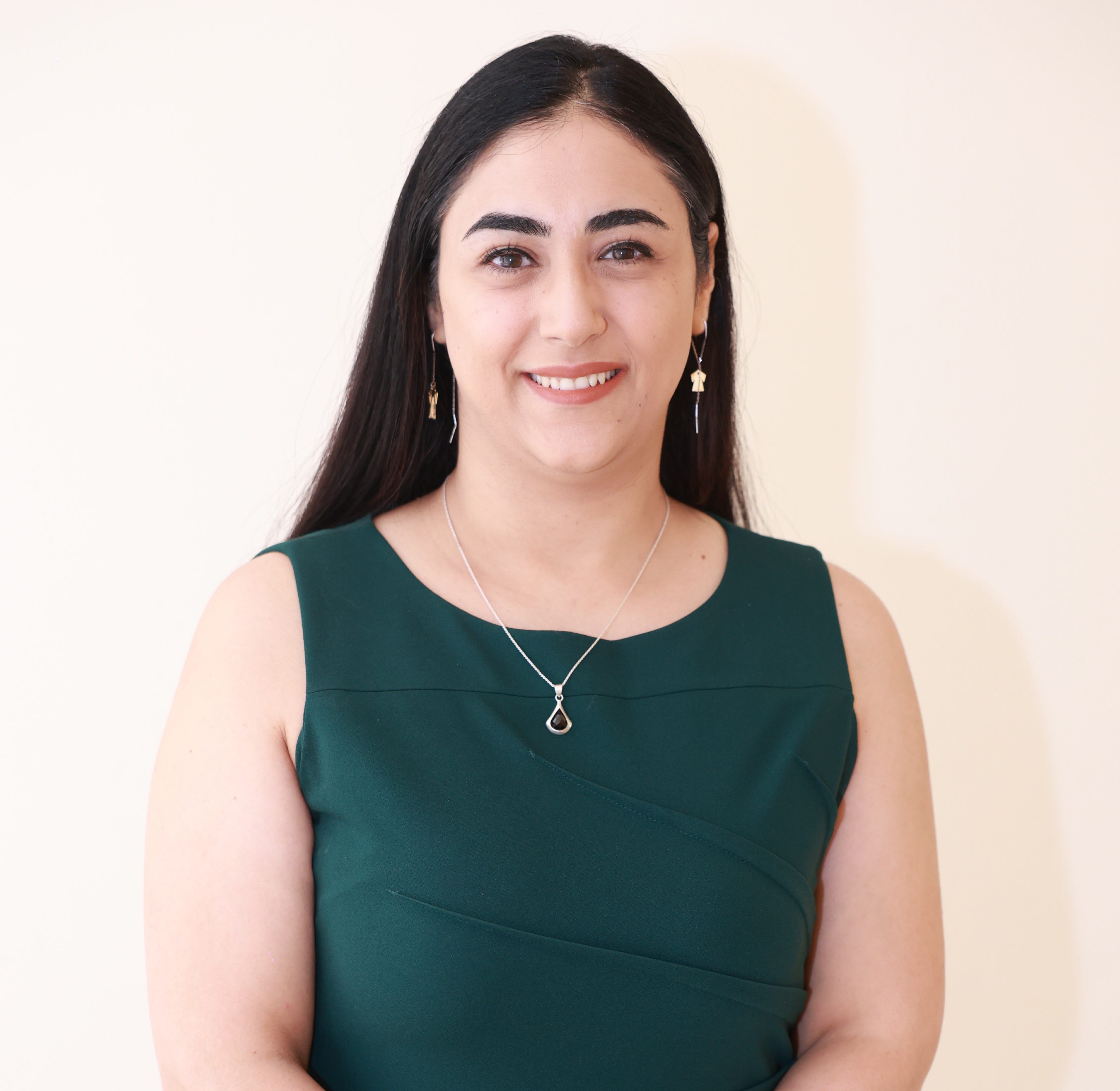
Abeer Shehadeh
Abeer Shehadeh is a Palestinian Christian and nonprofit leader specializing in environmental justice, educational research, and community projects. She is also engaged in peace-building and advocacy efforts locally and internationally, including co-hosting the Across the Divide podcast. She is also a BIPJ fellow.

Thank you! some good communications principles here; advocacy is an important effort, always needs to be based in knowing a local community while gaining access to decision-makers. These days the ability of media and social media influencers with misinformation and disinformation to access decision-makers has done a lot of harm. I appreciate BIPJ for their courageous work.
Powerful piece. I will come back to this one time and time again. Thank you.